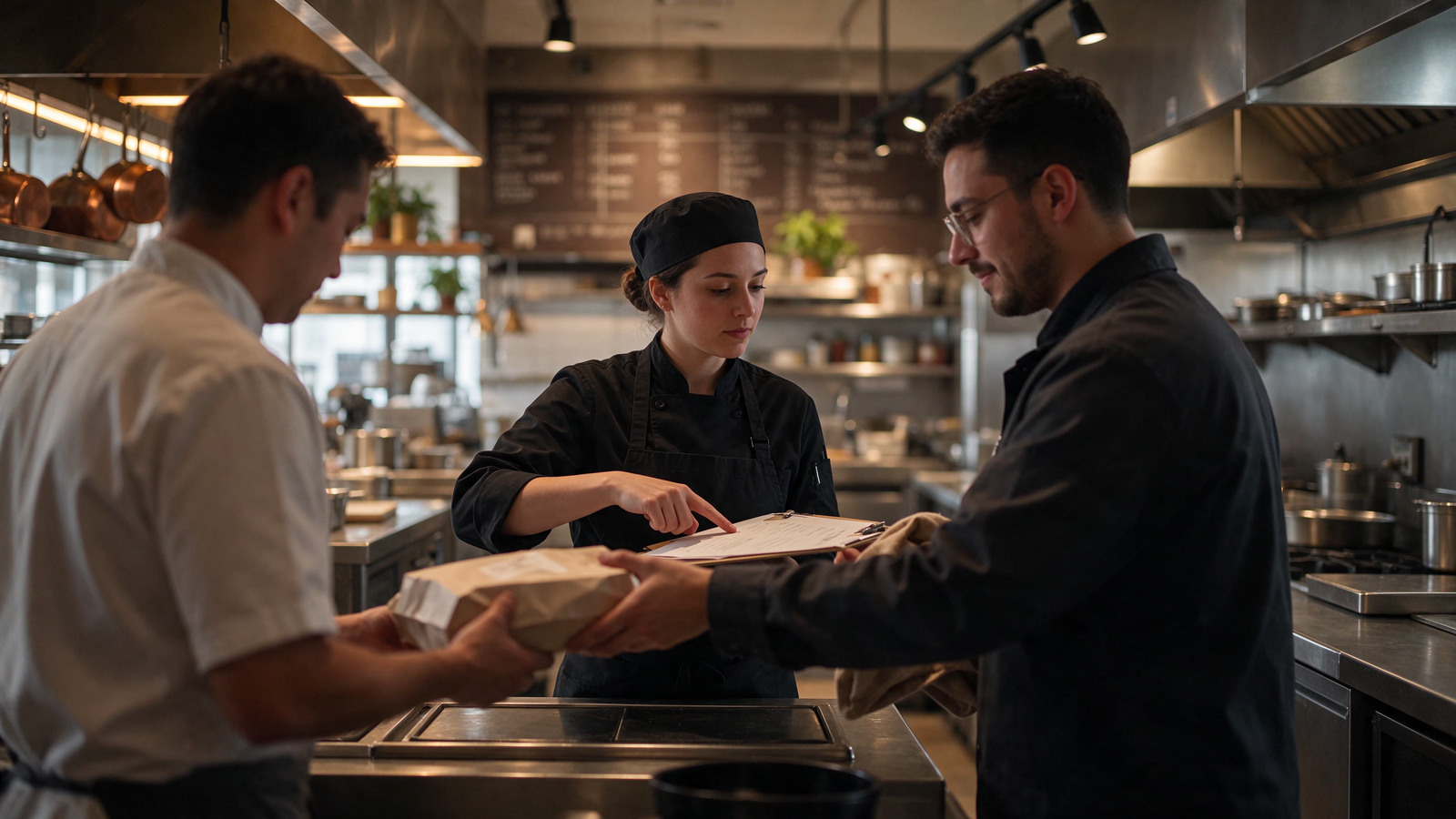
A cooked Thanksgiving meal still needs containers, the right sides, a final check and someone to hand it to the right guest. Until that happens, the order isn't finished. A kitchen can keep up with cooking and still leave a line of customers waiting at pickup.
That difference should shape the last orders you accept. With U.S. Thanksgiving falling on Thursday, November 26 this year, there's time to test the service you've already promised. There's little reason to build a complicated new one. For restaurants, hotels serving resident guests and takeaway customers, and clubs offering member meals, the priority is the same: find out how many complete orders can reach guests in the busiest window.
Follow the order past the kitchen
Choose a representative order from the planned menu and take it through preparation, packing, checking and handoff. Use the people, equipment and space that will actually be available on Thanksgiving. A trial with extra hands or an empty dining room can give you a misleading answer.
Watch where the order waits. Perhaps the food is ready, but the person checking it also answers the phone and finds customer names. Perhaps several meals need the same stretch of counter for packing. Ask the staff doing those jobs what will interrupt them during service. They're likely to notice conflicts that a cooking schedule won't show.
The slowest stage gives you a starting point for a pickup limit. Don't turn the fastest trial into a promise for the whole afternoon. Leave room for the phone call, the order change and the ordinary interruptions that will still happen on a holiday.
Order size matters, too. A family meal with several sides needs different packing and checking time from a single dish. Keep those workloads distinct when assessing capacity; ten bookings don't necessarily represent ten equal pieces of work.
Put every promise on one timeline
Lay out dining-room reservations beside takeaway commitments, then add hotel guest service or an existing banquet where relevant. Separate booking lists can conceal competition for the same cooks, equipment and packing space. A small team may need only a shared list to see it clearly.
For example, a family restaurant might have room to cook more takeaway meals across the day, yet its most popular pickup window could coincide with the dining room's main courses. Those staff members can't cover both jobs at full capacity just because the bookings sit in different systems.
Look at that overlap before reopening a slot or accepting a late order. Use the trial and existing commitments to decide which windows can take more work. Once a window reaches the assessed limit, close it. Offer another time only if it has genuine capacity.
Give everyone taking orders the same boundaries: the ordering deadline, available pickup times, how guests request changes and who can approve an exception. Otherwise, a well-intentioned employee can make a promise the kitchen never agreed to.
This close to Thanksgiving, fewer options may help more than extra sales. Keep what the team is ready to deliver. If a late add-on requires separate preparation or packing, consider closing that option rather than squeezing it into an already crowded window. Guests can work with a clear answer: “That pickup window is full; these are the times we can offer.”
Make the pickup plan work for guests
Walk the route a customer will take. Where do they enter, who confirms their name, and who checks the order before handing it over? A pickup line shouldn't block dining-room arrivals or an accessible route. Decide where people can wait before the line forms.
Assign someone to contact guests about delays and make sure they can get a reliable update. Sending a guest-facing employee back to the kitchen for every inquiry adds interruptions without necessarily producing an answer. They need to know whom to ask and who will follow through.
Include food holding in the rehearsal. An unmonitored room-temperature pickup area isn't overflow storage for meals that require temperature control. Assign responsibility for checking holding conditions and follow the food-safety requirements applicable to your location. They vary by jurisdiction, and a service plan doesn't replace them.
Before the holiday, bring the kitchen and guest-facing team together around the busiest window. Agree on its order limit, who can change it, who checks and hands over each meal, and who communicates a delay. If those responsibilities remain vague, settle them before accepting more orders. The last few sales should depend on available capacity, not on someone rescuing the plan at pickup.